Blog

datasense

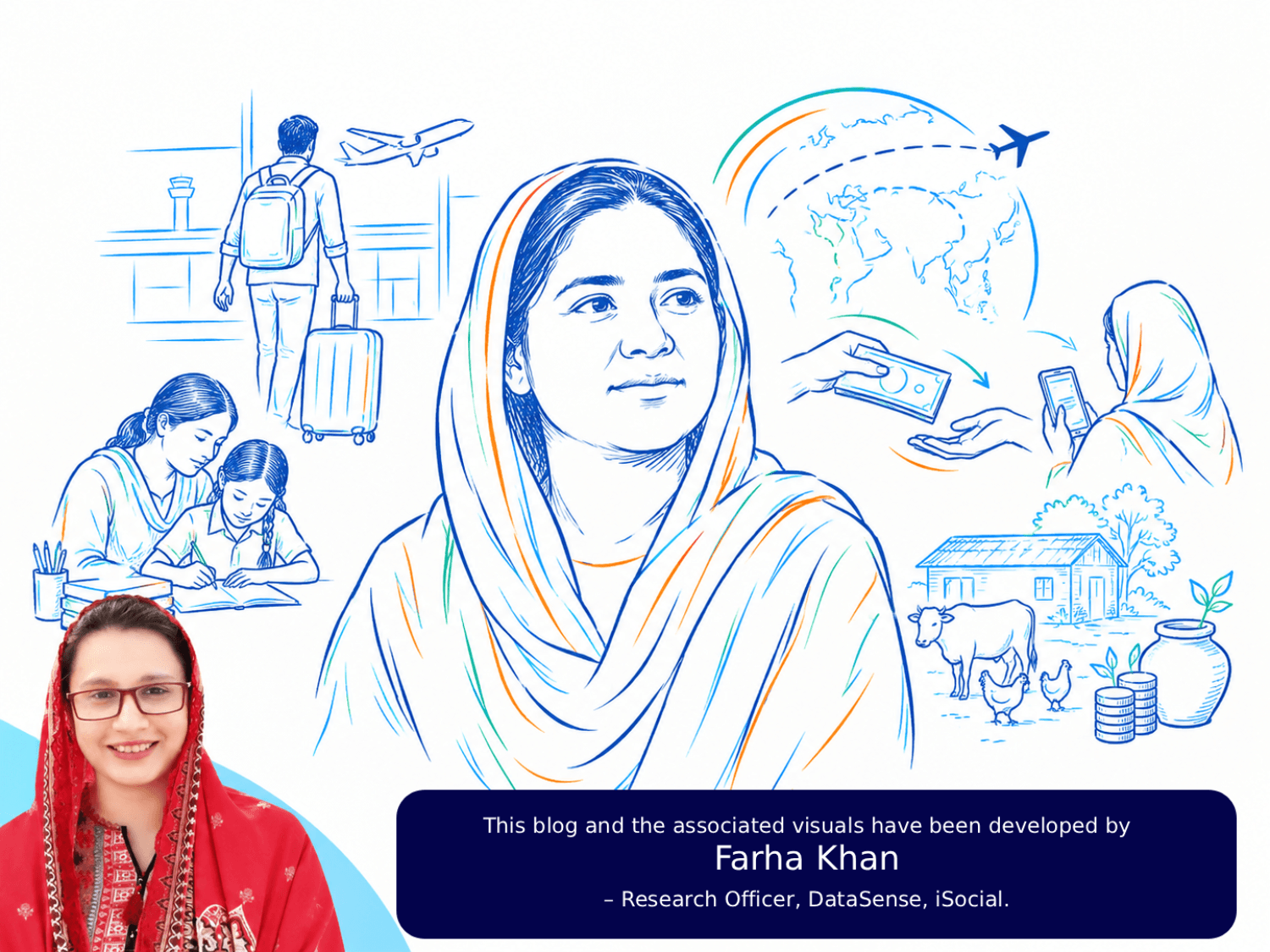
Exploring the dimensions of Remittance utilization by female households

Exploring the dimensions of Remittance utilization by female households In the villages of Munshiganj, particularly around Sreenagar, remittances from sons and husbands working abroad have become a critical lifeline. Interviews with local women reveal how money sent from Italy, Malaysia, and Singapore covers household expenses, children’s education, and medical costs—while
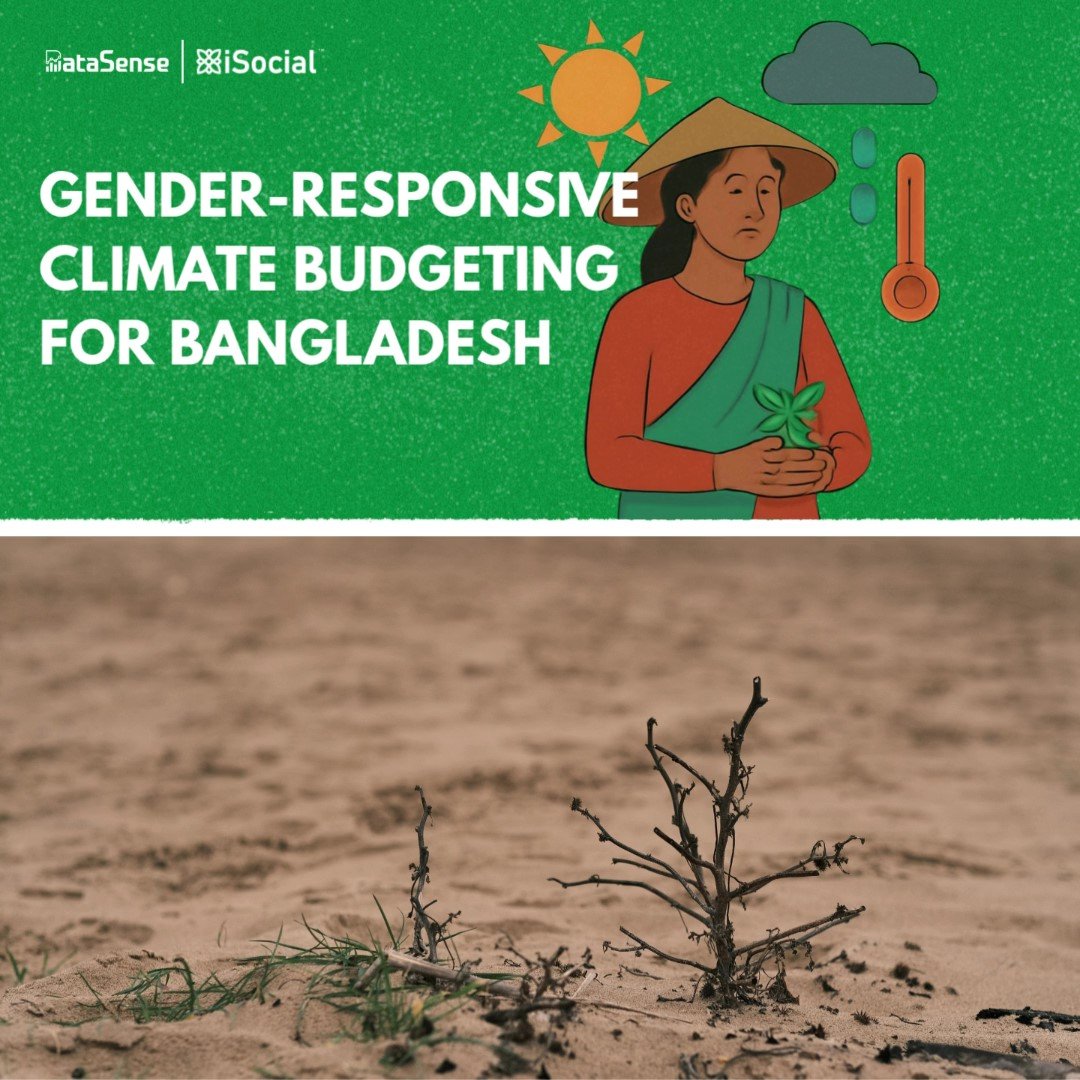
Gender-responsive climate budgeting
Climate Budget

Gender-Responsive Climate Budgeting in Bangladesh

Bangladesh is one of the world’s most climate-vulnerable countries, and this vulnerability is not gender-neutral. Women, particularly in coastal and disaster-prone areas experience disproportionate risks from climate change due to limited access to land, finance, and technology, greater exposure to displacement, and heavier care burdens during disasters. Gender-responsive climate budgeting

Statistical Analysis, Maisha Mumtaj, DataSense, iSocial
social science research

All Data Matters: Statistical Analysis in Social Science

Written by Maisha Mumtaj Imagine trying to answer a question like, “Does education reduce poverty?” or “Are people happier in cities than in villages?” These are not questioning you can settle with a gut feeling or a single conversation. They require evidence drawn from people and places, gradually over time.

TEGA project, DataSense, iSocial. Girl Effect
Digital Financial Inclusion

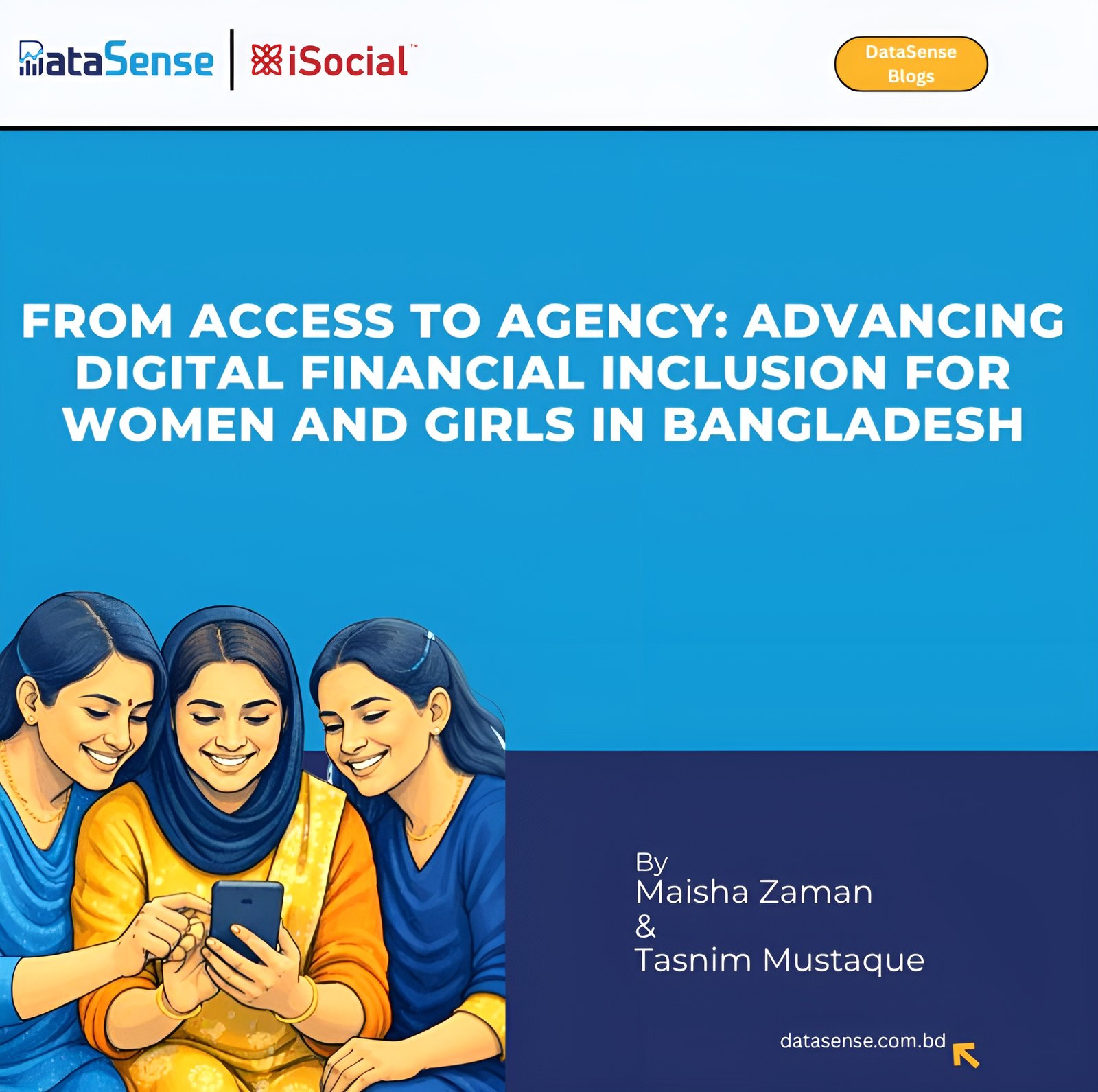
From Access to Agency: Advancing Digital Financial Inclusion for Women and Girls in Bangladesh

Bangladesh has made notable progress in expanding digital financial services and narrowing the financial gender gap. Yet for many women and girls, particularly in rural and low-income communities, access to digital tools does not automatically translate into financial agency. Drawing on evidence from the Technology Enabled Girl Ambassadors (TEGA) initiative,

A Look into Old Age Allowance DIgitalisation
Old Age Allowance DIgitalisation

A Look into Old Age Allowance Digitalisation: Relational Dynamics at The Digital-Social Interface

As Bangladesh accelerates its journey toward digital governance, the digitalization of the Old Age Allowance (OAA) stands out as a critical reform. Regardless, an important question remains: 𝘪𝘴 𝘵𝘩𝘪𝘴 𝘵𝘳𝘢𝘯𝘴𝘧𝘰𝘳𝘮𝘢𝘵𝘪𝘰𝘯 𝘥𝘦𝘭𝘪𝘷𝘦𝘳𝘪𝘯𝘨 𝘥𝘪𝘨𝘯𝘪𝘵𝘺, 𝘢𝘤𝘤𝘦𝘴𝘴𝘪𝘣𝘪𝘭𝘪𝘵𝘺, 𝘢𝘯𝘥 𝘳𝘦𝘢𝘭 𝘦𝘮𝘱𝘰𝘸𝘦𝘳𝘮𝘦𝘯𝘵 𝘧𝘰𝘳 𝘵𝘩𝘦 𝘦𝘭𝘥𝘦𝘳𝘭𝘺 𝘤𝘪𝘵𝘪𝘻𝘦𝘯𝘴 𝘰𝘧 𝘰𝘶𝘳 𝘤𝘰𝘶𝘯𝘵𝘳𝘺? We are pleased to share our latest

Domestic workers, TEGA, Digital Financial Inclusion
Digital Financial Inclusion

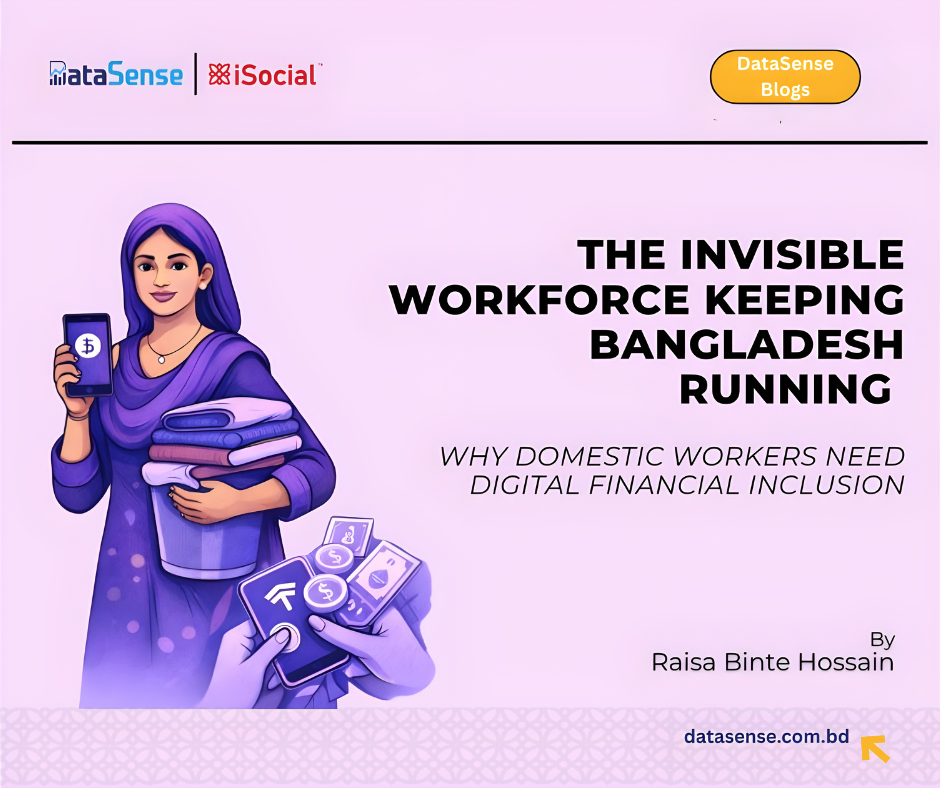
THE INVISIBLE WORKFORCE KEEPING BANGLADESH RUNNING: Why domestic workers need digital financial inclusion

𝗪𝗵𝗼 𝘀𝘂𝗽𝗽𝗼𝗿𝘁𝘀 𝗼𝘂𝗿 𝗵𝗼𝘂𝘀𝗲𝗵𝗼𝗹𝗱𝘀 𝗯𝗲𝗵𝗶𝗻𝗱 𝘁𝗵𝗲 𝘀𝗰𝗲𝗻𝗲𝘀 𝘄𝗵𝗶𝗹𝗲 𝘁𝗵𝗲 𝗲𝗰𝗼𝗻𝗼𝗺𝘆 𝗺𝗼𝘃𝗲𝘀 𝗳𝗼𝗿𝘄𝗮𝗿𝗱? Domestic workers in Bangladesh are among the most under-valued yet essential contributors to the country’s economy. 𝗪𝗵𝗼 𝘀𝘂𝗽𝗽𝗼𝗿𝘁𝘀 𝗼𝘂𝗿 𝗵𝗼𝘂𝘀𝗲𝗵𝗼𝗹𝗱𝘀 𝗯𝗲𝗵𝗶𝗻𝗱 𝘁𝗵𝗲 𝘀𝗰𝗲𝗻𝗲𝘀 𝘄𝗵𝗶𝗹𝗲 𝘁𝗵𝗲 𝗲𝗰𝗼𝗻𝗼𝗺𝘆 𝗺𝗼𝘃𝗲𝘀 𝗳𝗼𝗿𝘄𝗮𝗿𝗱? Domestic workers in Bangladesh are among the most under-valued yet

How Well Are You Safeguarding Your Digital Space?
Digital Security

How Well Are You Safeguarding Your Digital Space?

In our daily lives, we lock social media, archive chats, and limit media views, but what truly keeps our information safe is using trusted tools and verified security protocols. For example, while WhatsApp has been a convenient tool for our day-to-day operations, it may not be the most secure option

Human Trafficking and the Informal Labor Market: A Call for Action in Bangladesh
Human Trafficking

Human Trafficking and the Informal Labor Market: A Call for Action in Bangladesh

Human trafficking is a global crisis that robs millions of people of their basic human rights, turning them into invisible victims of exploitation. Globally, an estimated 49.6 million people are trapped in modern slavery, with most of them forced into labor and sexual exploitation.[1] The Asia-Pacific region, which includes Bangladesh,

Labour Economy

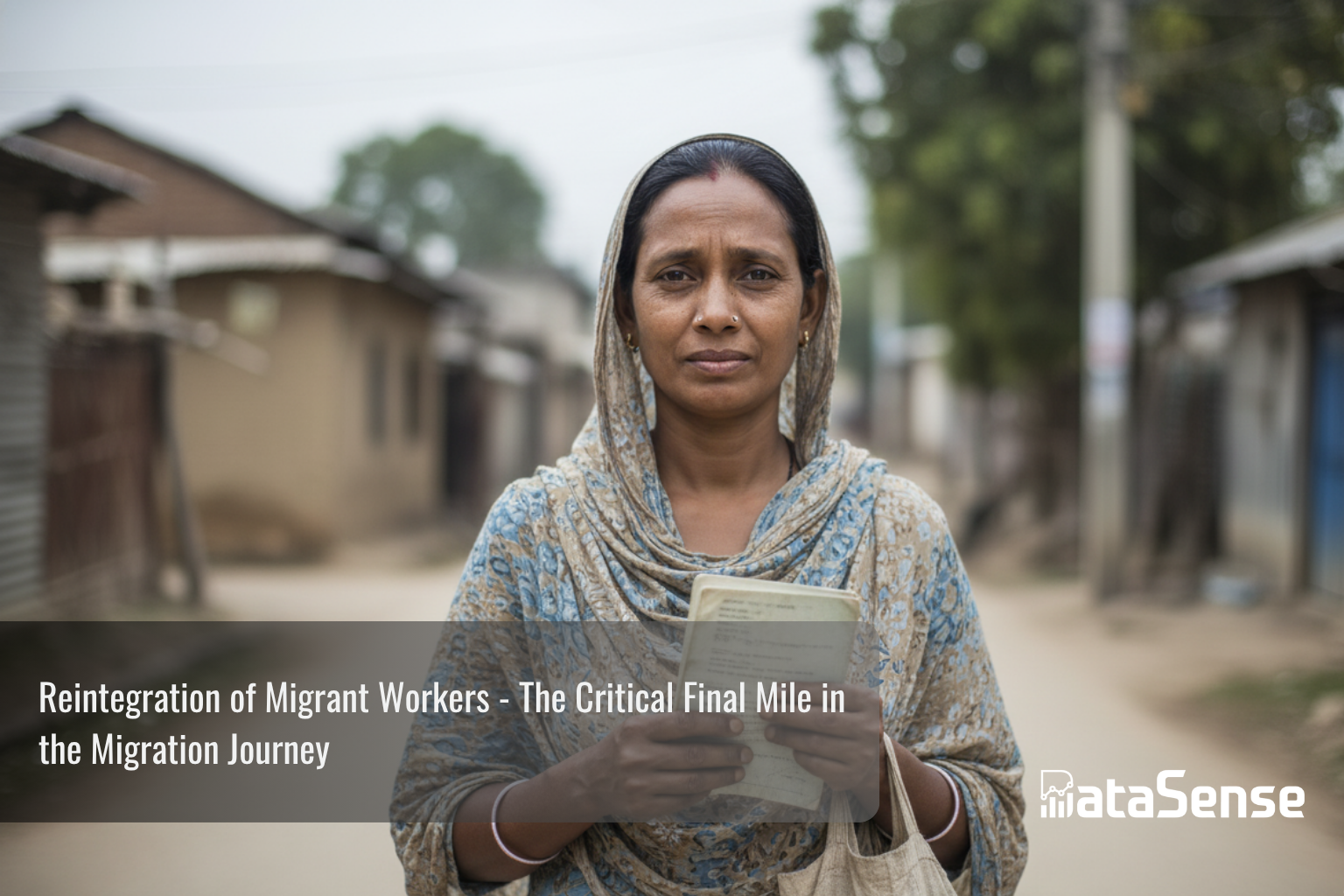
Sustainable Reintegration of Migrant Workers: Addressing Urgent Needs and Policy Gaps

Migration often focuses intensely on the journey out and the work abroad. Yet, the true measure of a successful migration policy lies in the reintegration of returning workers. Reintegration is not merely about arrival, it is a complex, multi-dimensional process essential for ensuring that the human capital, financial savings, and

Contact DataSense